
Medical office, ambulatory campuses, and clinical infrastructure for institutional healthcare capital.
Healthcare real estate is an operating-business problem disguised as a real estate problem. The cap rate is downstream of payor mix, physician retention, and clinical workflow. We underwrite the operating business first.
How we work in healthcare real estate.
The most expensive mistake institutional capital makes in healthcare real estate is treating an MOB as an industrial-style net-lease asset. It is not. The tenants are clinical practices whose revenue depends on referral patterns, payor contracts, and physician age demographics: variables that do not appear on a rent roll.
Our practice models physician retirement curves, payor mix, and competitive clinical density before we underwrite the building. A 95% occupied MOB anchored by two physicians within five years of retirement is a different asset than the same building anchored by a thirty-five-year-old multi-specialty group on a fifteen-year tenancy.
Canadian healthcare real estate is also structurally different from US healthcare real estate. Provincial funding models, the absence of CMS-style reimbursement complexity, and the dominant role of hospital authorities change the underwriting. We work with capital sources who understand the Canadian model, and translate it for cross-border investors who do not.
The numbers that actually matter.
Active mandates in this practice.
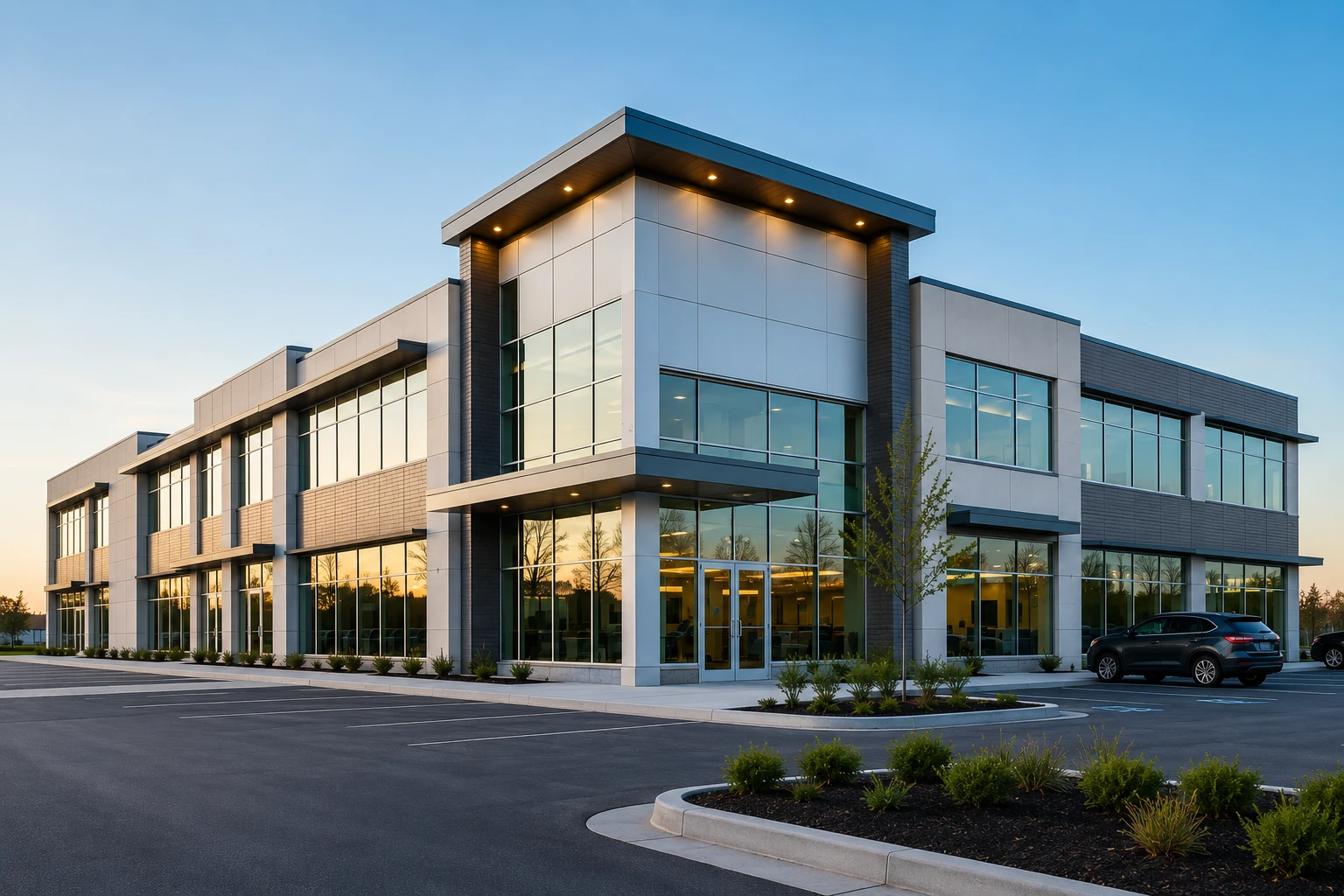
Healthcare Real Estate by market.
- Airdrie, AB
- Calgary, AB
- Cochrane, AB
- Edmonton, AB
- Fort McMurray, AB
- Grande Prairie, AB
- Lethbridge, AB
- Medicine Hat, AB
- Okotoks, AB
- Red Deer, AB
- Spruce Grove, AB
- St. Albert, AB
- Ajax, ON
- Barrie, ON
- Brampton, ON
- Burlington, ON
- Hamilton, ON
- Markham, ON
- Milton, ON
- Mississauga, ON
- Oakville, ON
- Orillia, ON
- Ottawa, ON
- Pickering, ON
- Richmond Hill, ON
- Toronto, ON
- Vaughan, ON
- Whitby, ON